
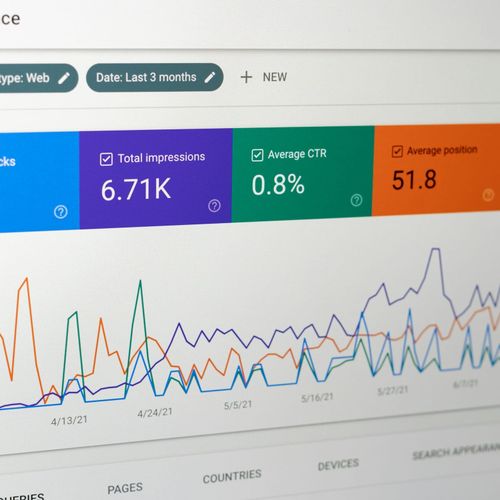
Publishers who opt in see a monthly earnings figure in Search Console with no explanation of how it was calculated, and a publishing executive who saw Google's offer calls the numbers too small to be worth joining.
Industry sources told Digiday that Google is paying a limited group of publishers for what it judges to be a significant contribution to answers in AI Mode, AI Overviews and Gemini. Google confirmed the program, describing it as an early-stage pilot for working out how to reward good content.
Publishers who sign up get an AI Contribution panel on their Search Console dashboard, showing a monthly earnings figure with some history. They can opt out at any time.
The program had been running quietly. Search Engine Land spotted the AI contribution report in Search Console back in April without recognizing it as payment, and Google did not answer questions about it then.
At least dozens of publishers have been approached, according to Digiday, though the outlet could not confirm the exact number. Smaller and mid-sized publishers have found the pilot more attractive than large ones have, and it has spread past the news industry into other sectors. Rivals such as OpenAI have signed licensing deals with major news publishers for a fixed sum; Google has not.
Two publisher executives whose companies are in the pilot spoke to Digiday anonymously. The data supplied so far is rudimentary, they said, but they would rather test direct payments and data sharing now than wait for search referrals to recover.
An executive in the program described the pilot as an early test of a marketplace for inference data. They said they hoped it would grow into the feedback loop Search Console provides for search, showing publishers which of their content is valuable to AI systems as well as to readers.
A source familiar with the program said the first payouts have been "peanuts" next to publishers' advertising income. One publishing executive said Google put the same "lowball numbers" to their company and several peers.
Negotiations were still going on, that executive said, as far as they knew. Joining, they argued, could weaken publishers' hand in pushing for better terms, because Google would then be able to point to the compensation it already pays for content used in AI answers.