
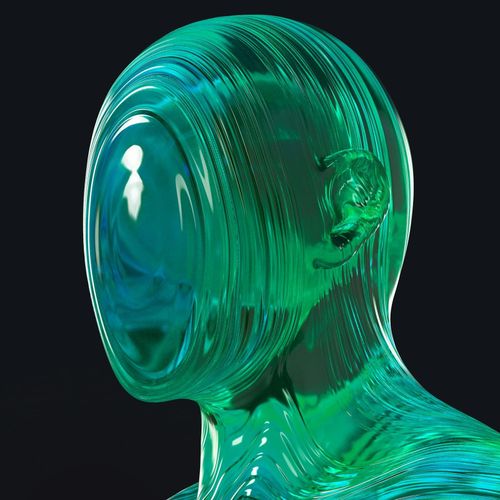
Acts can flag themselves — and where they do not, Spotify's own reviewers will make the call, biggest profiles first.
Spotify is adding an AI Persona badge to the profiles of acts whose public identity is generated by AI rather than made up of real people, and by default it will keep those acts out of both its editorial and its personalized recommendations, so their tracks will not be put in front of listeners who have not chosen to follow them. Listeners start seeing the badge in mid-September.
On August 11 the company said acts could flag themselves as AI Personas through Spotify for Artists from that day. Where it applies, the badge will sit on the artist profile, across the banner and in the About section, and also in search results and on track listings inside playlists.
Listener trust is the reason Spotify gives. It says listeners have told it they dislike discovering that a profile which looked human was actually AI-generated, and that while it treats how an act presents itself to the world as the artist's own creative decision, its curation favors genuine artists building careers in music.
Self-disclosure is not the whole system. Spotify says human reviewers, using AI investigative tools, will judge whether the public identity an artist presents — the name and the imagery included — amounts to a photorealistic persona generated by AI instead of an actual person. Profiles that meet defined audience thresholds come first, so the most-visited artist pages are covered at the start.
When the call comes from Spotify rather than from the artist, the profile carries a Likely AI Persona label, separate from the ordinary badge; the company says those acts are told and given a route to contest the decision. In the months after launch, it plans to let listeners report profiles they believe are undisclosed AI Personas.
What the badge does not do is pass any verdict on how the music was made. Spotify says it speaks only to the identity an artist presents in public: artists can volunteer that they used AI in making a song, but the company itself has no system for identifying which songs were AI-generated. A rival streaming service that does run such detection has said AI-made tracks now account for half of everything uploaded to it in a day — a count Spotify, by its own account, cannot take of its own catalogue.
Spotify also says it tunes what its recommendation systems surface toward genuine human artists and, working from the signals it has, aims to keep spam, slop and low-effort material out of what it suggests. Music Ally reported that it remains unclear how long that tuning has been applied, and that from outside the company it is very hard to judge how much the effort has achieved.