
The model would run Autonomy-1, a NASA-backed solar mission due in 2027, after a trial ride without control on a flight later this year.
AstroForge, a startup that wants to mine asteroids, has built a transformer model called Solo to fly its spacecraft. Chief executive Matthew Gialich told TechCrunch he does not plan to carry radios that can receive commands from Earth on Autonomy-1. NASA is backing that mission to gather data on the sun. It should fly in 2027 on the first rocket Stoke Space launches.
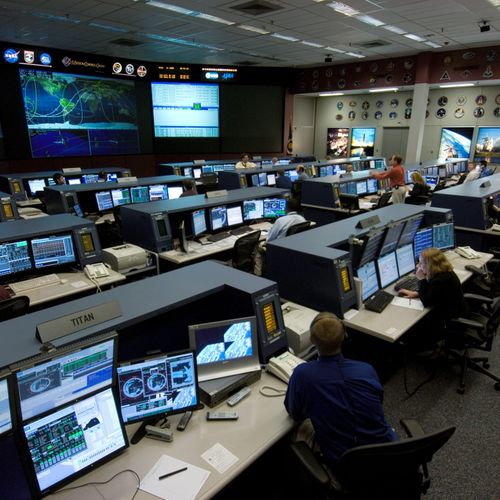
NASA builds redundancy and automation into its spacecraft, but much of the flying is still done by controllers on the ground. OSIRIS-REx reached an asteroid in 2018 with 100 operators on each eight-hour shift. AstroForge cannot pay for that. The startup was founded in 2022 and has raised $56 million in venture funding. Gialich puts a network of five dishes around the world, operations included, at about $200 million. His alternative is a model in command and no network at all.
The idea grew out of Odin, which launched into deep space in 2025. The company struggled to reach it. Few antennas on Earth can transmit that far, and the windows are short. AstroForge never gained control of the probe, and both of its prototype craft fell short of most of their mission goals. Nothing aboard Odin tried to save it, Gialich said. He wants his spacecraft to handle that work alone.
Solo combines conventional control algorithms with subsystem models trained on test data for jobs such as power or navigation. Above them runs a broader layer that learned from about 2,500 sensors on the vehicle. The company's head of flight software pictures a case where the craft loses track of its position. Solo would trace the fault to a power problem in the star tracker and clear it, most likely by switching the tracker off and on. Gialich says the aim is a narrow autonomy working from few sensor inputs, not general autonomy.
Before Autonomy-1, Solo gets a trial ride later this year on DeepSpace-2, AstroForge's third vehicle, booked alongside Intuitive Machines' third lunar mission. It will fly in shadow mode there, taking no control while engineers judge how it performs.
Gialich conceded that his team will probably talk him into carrying radios before Autonomy-1 flies. For now, he said, the company has to go all in.